
Two units, one wet wall
A leak call from a condo building rarely arrives as one complaint. The upstairs owner reports a brown patch on the wall beside the fireplace. A week later, the owner in the mirror-image unit next door mentions damp carpet by the hearth. Both units share one masonry stack, and the water is coming in somewhere on it. In Santa Clarita, where winter storms are few but heavy, a stack can stay dry for months and then let in a season's worth of trouble in a weekend. Mercer Chimney Group handles these as building jobs: one chimney, every unit it serves, one written scope.
Who owns the leak
Before anyone climbs, the association and the owners need to know whose problem it is. In many HOA documents the roof and the outside of the chimney above it are common area, while each firebox and the inside finish of each unit belong to that unit's owner. Some associations divide it differently. We do not decide that question, but we write the scope so it can be split along whatever line the documents draw:
- Work on the roof, the crown, the cap and the flashing, listed together
- Work inside any one unit, listed under that unit's number
- Damage to finishes, noted with photos so the owner and the association can sort out who repairs it
That layout saves the board from rewriting our scope before it can be voted on.
Where shared stacks let water in
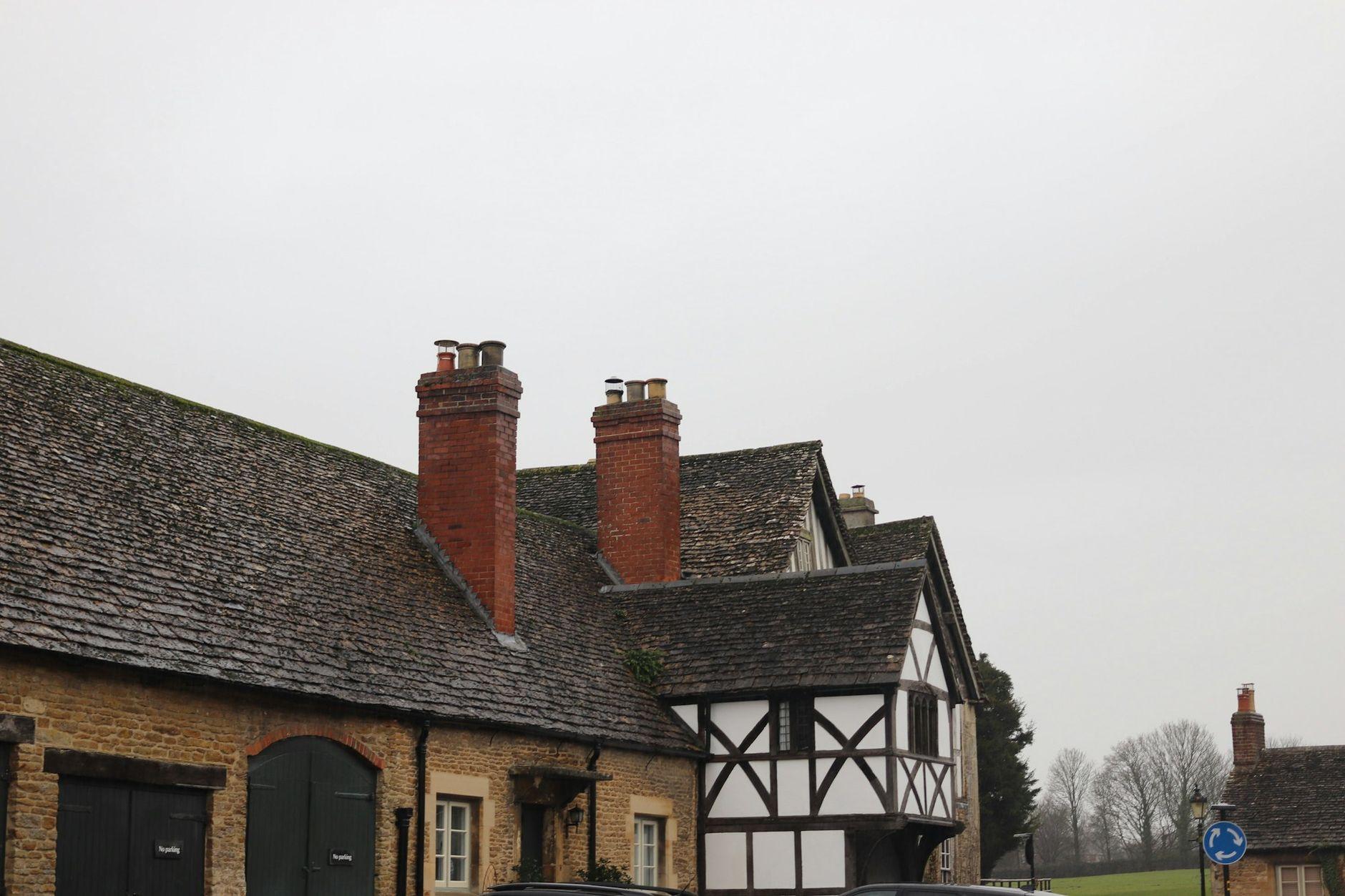
A tall chimney serving several fireplaces has a large top and a long joint with the roof. The places we look first on a building stack are:
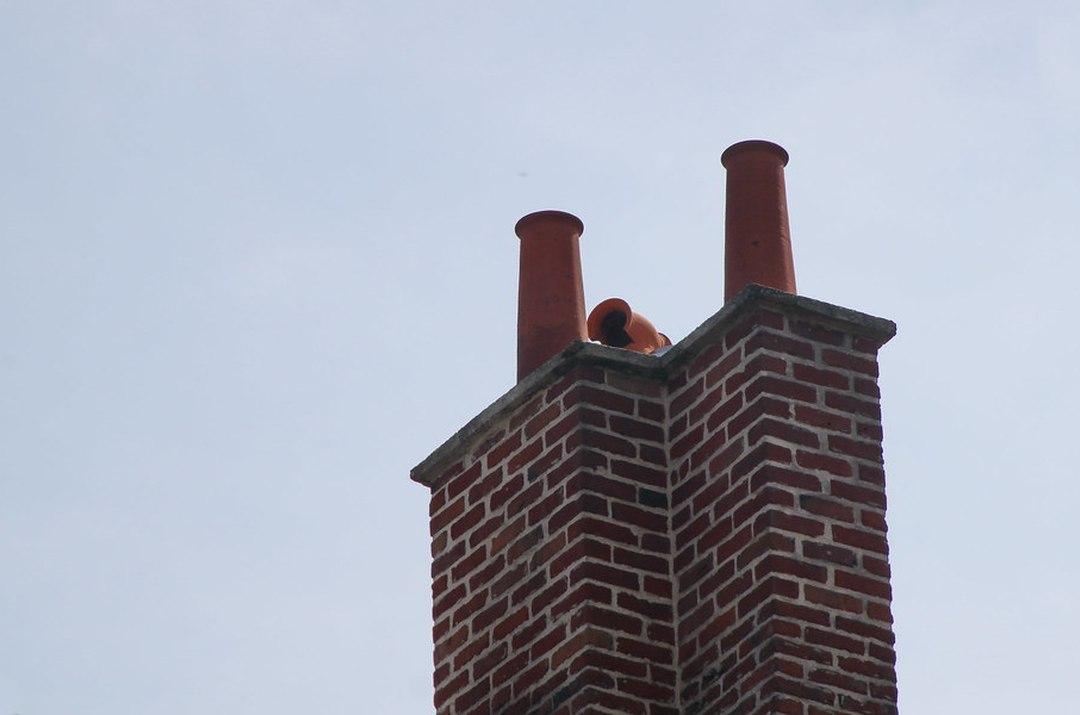
- The crown. A wide crown carrying two or more flues has more surface to crack and more room for water to sit.
- The flue tops. Each flue without a cap is an open pipe to the sky.
- The roof joint. Metal flashing where brick meets roofing has to stay tight on every side. On a wide stack the side facing up the slope catches everything that runs down the roof.
- The brick face. Old mortar between bricks wears thin and starts to wick water inward.
- Where units meet. The seam between two units' framing often runs right beside the stack, and water can travel along it before showing up.
What the visit involves
We start inside, in every unit the stack serves, and photograph where the water shows. Then we go up. On the roof we check the crown, each flue top and its cap, the flashing on all four sides, and the brick above the roof line. If the stack passes through an attic space we can reach, we look at the wood framing beside it for staining or soft spots. Each finding is tied to the unit or units it affects.
If the source is clear, the report says so and the scope follows. If it is not, the report says what was ruled out and what still needs testing, and we price that testing before doing it.
Our figures for leak work
These are the published figures that cover most leak jobs on a shared stack. Everything else is a separate written price once the roof has been seen.
| Repair on the stack | Our figure |
|---|---|
| Finding and stopping the water at the chimney | $585 to $3,500 |
| A sloped diverter on the uphill face of a wide stack | $470 to $1,055 |
| The diverter plus all-new metal at the roof joint | $705 to $1,750 |
A cap over a flue top is quoted after we measure the flue. The leak figure has a wide range because a single cracked crown and a stack with failing joints, loose flashing and three open flues are both leak jobs. Where a building's chimney sits within the range depends on how many separate entry points the visit finds and how much masonry needs work around them.
Why waiting costs more on a building
On a single house, a slow leak damages one ceiling. On a shared stack it can damage two or three units, and each owner may then make a claim against the association or each other. The repair to the chimney is usually the smaller part of the eventual bill. Fixing the stack in the dry months, before the next storm, keeps it that way. Late spring through early autumn is when the masonry and flashing work goes smoothest in the valley.
What decides the next step
The next step is a roof visit, and what decides its scope is how many units the stack serves and where the water shows in each. Tell us the building address, which units have seen water, and roughly where in each unit, through the leak visit form. If the association has an earlier report or a roof plan, mention it. We reply with the visit plan and the written scope follows the visit.
After the repair
When the work is done, each affected unit gets a short note with before and after photos of the part of the stack above it. The association gets the full scope marked complete. If the building is due its yearly round, the visual pass at $57 per fireplace can follow on that visit, so the stack and every fireplace under it are on record together.
Related pages
The chimney leak repair service page covers the work in more depth, and the up to code repairs page explains which jobs need a city permit. For the yearly round, see inspection cost per fireplace.
If water has turned up in more than one unit, start with the contact page and list each one, so the visit covers the whole stack the first time.
One Visit, Every Fireplace on the Property
Mercer works through each unit on the owner's list and writes up a page per fireplace, with repairs on one scope. Requests come in from Santa Clarita, Canoga Park, Culver City, Calabasas and the rest of the county.