Two lists on one clipboard
When we plan a round at a Santa Clarita apartment building or condo complex, the unit list gets split in two before anyone climbs a ladder. One list is for the visual pass. The other is for the camera. Getting a unit onto the wrong list wastes money in one direction or leaves a question open in the other, so this post sets out how Mercer Chimney Group sorts them and what each list costs.
The figures first. A Level 1 visual pass is $57 per fireplace. A Level 2, with video of the flue, is $410 per fireplace. Both come from the NFPA 211 chimney standard, which names three depths of inspection. The third, Level 3, involves opening up masonry or a wall and is almost never part of a routine round; if a camera finding points that way, the report explains why and nothing is opened without the owner's written say.
What the visual pass actually sees
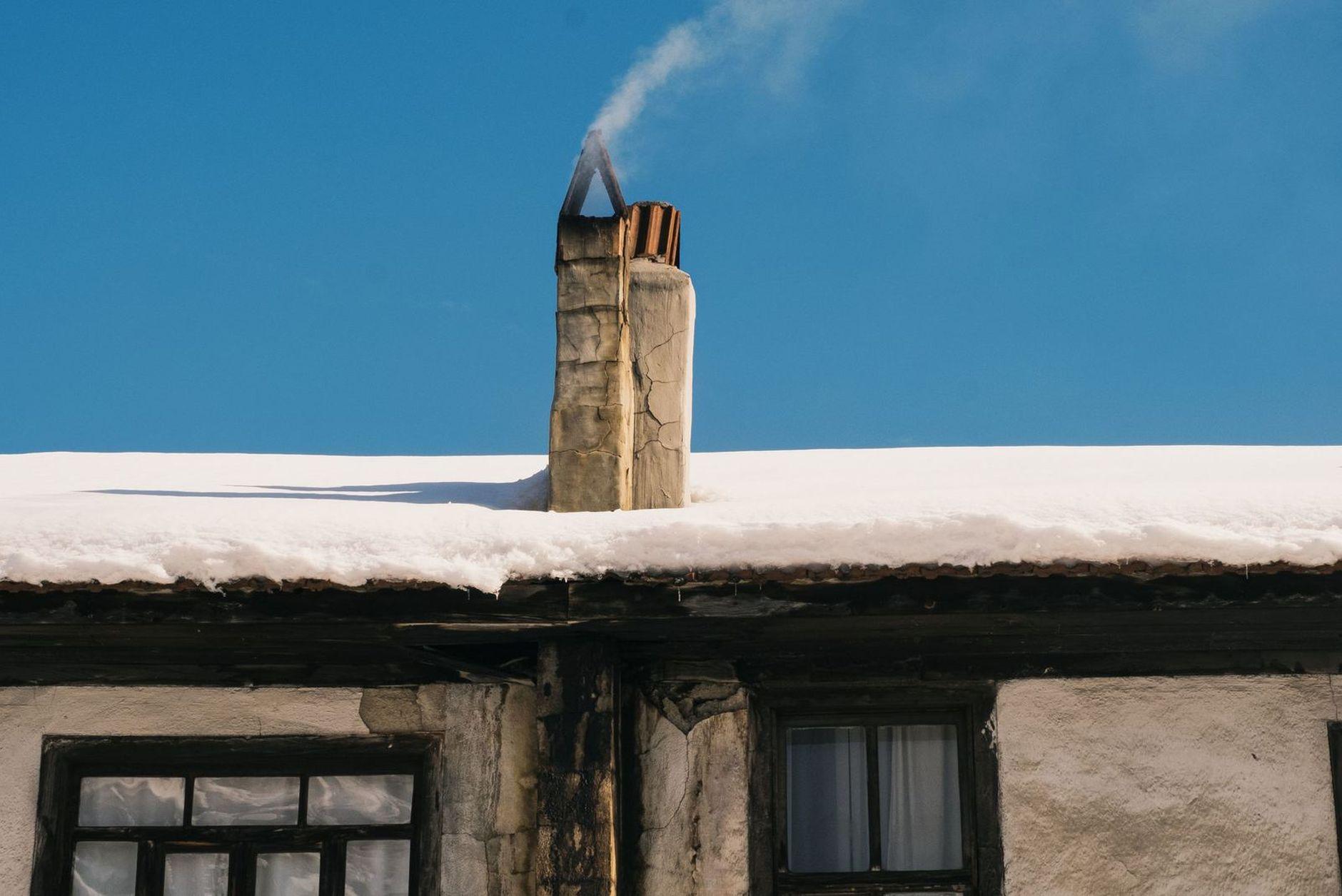
The $57 pass is a careful look at the parts of a fireplace and chimney anyone can reach without moving anything. In practice that means the firebox from the hearth, the damper opened and closed, the hearth slab and the floor around it, the lower flue as far as a strong lamp shows, and the top of the stack from the roof: crown, cap and flashing. On a gas unit it adds the glass, the burner tray area, the pilot and the vent end where it leaves the building.
What it cannot see is the long middle of the flue. On a two-storey building that can be fifteen or twenty feet of clay tile or metal pipe that nobody has looked at since it was built. For a fireplace that has been working quietly and burning the same fuel as last year, that is acceptable. The middle of the flue is unlikely to have changed.
What the camera adds
The $410 inspection sends a camera through that middle section and records it. We watch every joint between the liner sections, every offset where the flue bends, and the smoke chamber above the damper. The video is kept, and stills of each finding go into that unit's page of the report. Where the chimney passes through an attic or a shared ceiling space we can reach, we look at the framing beside it.
The result is a record a stranger can trust. A buyer, an insurer or the next manager can look at the frames and see what the flue looked like on a given date.
Sorting the units
Here is the test we apply to each line on the list. A unit goes on the camera list if any of these is true:
- It is changing hands. A sale or transfer of the unit, or of the whole building, is exactly when the new owner has no history to rely on. The standard treats a sale as a reason for Level 2, and so do we.
- Something happened in it. A tenant heard a roar in the flue, smelled smoke in a bedroom, or found flakes of burnt residue on the hearth.
- The building shook. The Santa Clarita Valley took heavy damage in the 1994 quake, and plenty of stacks here were patched or rebuilt in the years after. If no camera has been through since a strong shake, a visual pass cannot tell you the tiles still line up.
- Its use is changing. An insert is going in, a wood unit is converting to gas, or a sealed gas unit is being swapped for a different model.
- The visual pass ran out of sight. A crack or a water stain that keeps going past where the lamp reaches.
Everything else stays on the visual list. In a typical well-kept complex, that is most of the fireplaces in most years.
A side-by-side for one fireplace
| Question | Level 1, $57 | Level 2, $410 |
|---|---|---|
| Firebox, damper and hearth | Yes | Yes |
| Top of the stack from the roof | Yes | Yes |
| Full length of the flue | No, the ends only | Yes, on video |
| Attic or ceiling space beside the chimney | No | Where reachable |
| Fit for a sale file | Rarely | Yes |
| Usual reason to book | Yearly round | Sale, fire, quake, change of use |
Where owners overspend, and where they underspend
The common overspend is putting a whole building on the camera list because one unit is being sold. If unit 9 is in escrow, unit 9 needs the camera. The other units, unless something on the list above applies, are fine with the $57 pass. A per-fireplace bill lets you buy exactly that split.
The common underspend is the opposite: booking the visual pass for a unit in escrow to save money, and then watching the buyer's side order a camera inspection anyway, with the result landing late in the contingency period. If the sale is real, book the Level 2 once and let both sides read the same video. Our home sale page explains how a camera finding turns into a repair request or a credit.
Moving a unit between lists
Lists can change on the day. If the visual pass of a unit on the $57 list turns up something that needs the camera, we stop at the finding, write it up, and ask the person who booked whether to film it now or later. The unit is only billed at $410 if they say yes. If they say later, the page in the report states plainly that the flue was not filmed and why it should be.
Booking a split round
Send us the unit list with two marks against each line: wood or gas, and any of the camera reasons above that apply. Use the round request form. We send back the two lists with a per-line figure and a written total, and you can move units between them before anything is booked.
For the general cost of a round, see inspection cost per fireplace. For what the camera service itself involves, the Level 2 inspection page has the detail.
Once your list is marked, the contact page gets it to us, and we will return both lists priced unit by unit.
One Visit, Every Fireplace on the Property
Mercer works through each unit on the owner's list and writes up a page per fireplace, with repairs on one scope. Requests come in from Santa Clarita, Canoga Park, Culver City, Calabasas and the rest of the county.