
Start with the count
Before anyone prices a building, somebody has to count. Go down the unit list and write a line for every fireplace: the unit number, wood or gas, which room, and whether it shares a stack with the unit next door. For a Santa Clarita duplex that list has two lines. For a condo association in Valencia or Saugus it can run past fifty. Mercer Chimney Group builds its price on that list, one line per fireplace, so the owner or the board can read the total before we arrive and check it against the bill afterwards.
These are the three figures that make up nearly every line:
| Work at one fireplace | Price |
|---|---|
| Visual pass over the fireplace and its chimney (Level 1) | $57 |
| Camera record of the flue, firebox to top (Level 2) | $410 |
| Flue sweep, with the visual pass folded in | from $440 |
Nothing else on an inspection invoice carries a published figure. Repairs are a separate document.
Why one line per fireplace
Two buildings with the same number of front doors can hold very different work. One might have a sealed gas unit in every living room and a single wood fireplace in the manager's apartment. Another might have wood fireboxes back to back on each floor, venting through tall masonry stacks. A flat price per building would overcharge the first and undercharge the second, and someone would end up paying for a guess.
Pricing by the fireplace also makes the paperwork match. Each fireplace gets its own page in our report, headed with its unit number, its fuel and its level. The line on the invoice and the page in the binder carry the same unit number, so a bookkeeper, an insurer or a buyer's agent can lay them side by side and see that every fireplace was visited.
Which level goes on which line
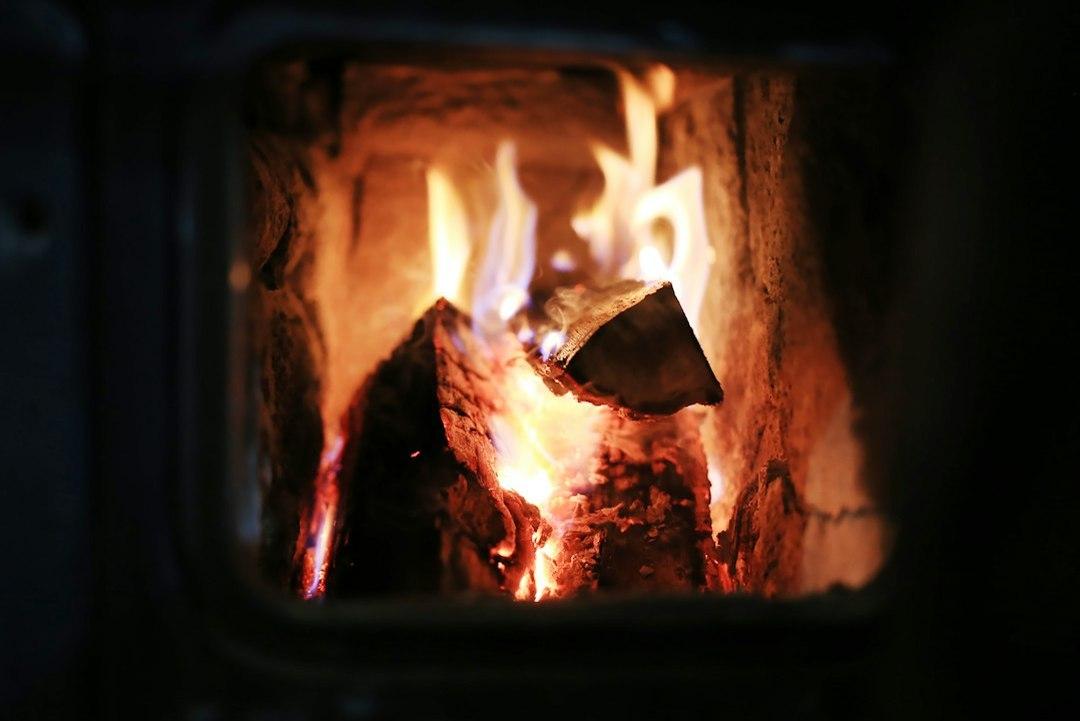
Most lines on a yearly round are Level 1. That level fits a fireplace burning the same fuel as last winter, with no fire, no quake damage and no change of owner since it was last seen. The pass covers the firebox walls and floor, the damper, the hearth, whatever the light shows of the flue, and the top of the stack from the roof.
Some lines call for the camera at $410. We mark a line for Level 2 when:
- the unit, or the whole building, is being sold
- a tenant has reported smoke in the room, a smell after a fire, or a rumble in the flue
- nobody has filmed the stack since the 1994 quake or a later shake
- an insert or a gas line is about to be added
- the visual pass finds a crack or stain that runs out of sight
We never move a line up a level on our own. If unit 4 shows a crack that disappears up the smoke chamber, its page says so and names the camera as the next move, and the person paying decides.
What changes a line, and what does not
The figure for a line covers the visit to that fireplace, the roof check above it and its page in the report. It stays the same whether the unit sits on the ground floor or the third, whether the tenant is home, or whether the complex climbs a hillside in Canyon Country.
These things do change the total:
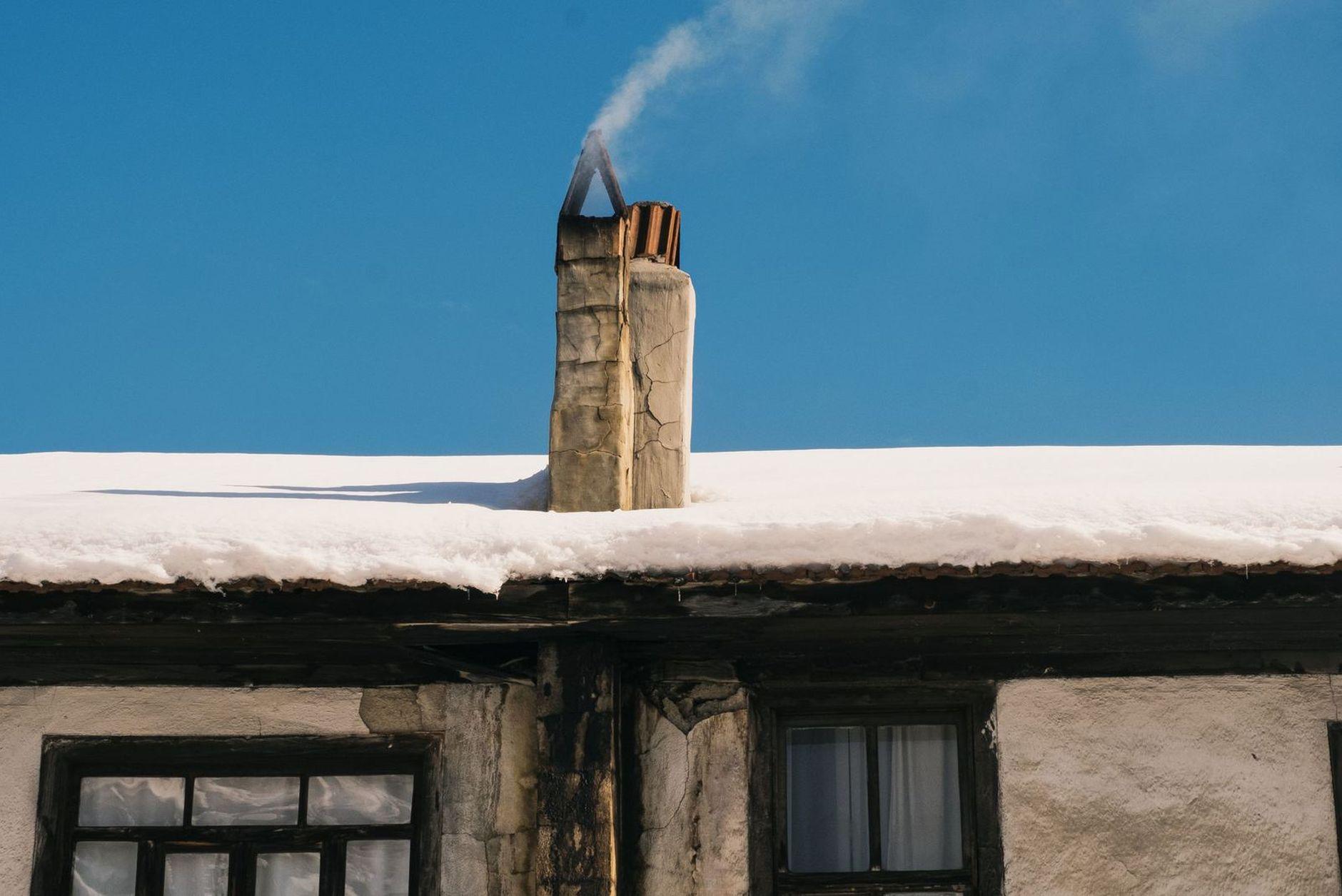
- Soot. A heavily coated flue cannot be read well. For a wood fireplace in that state we suggest the sweep, from $440, which already includes the visual pass, so that line carries one figure instead of two.
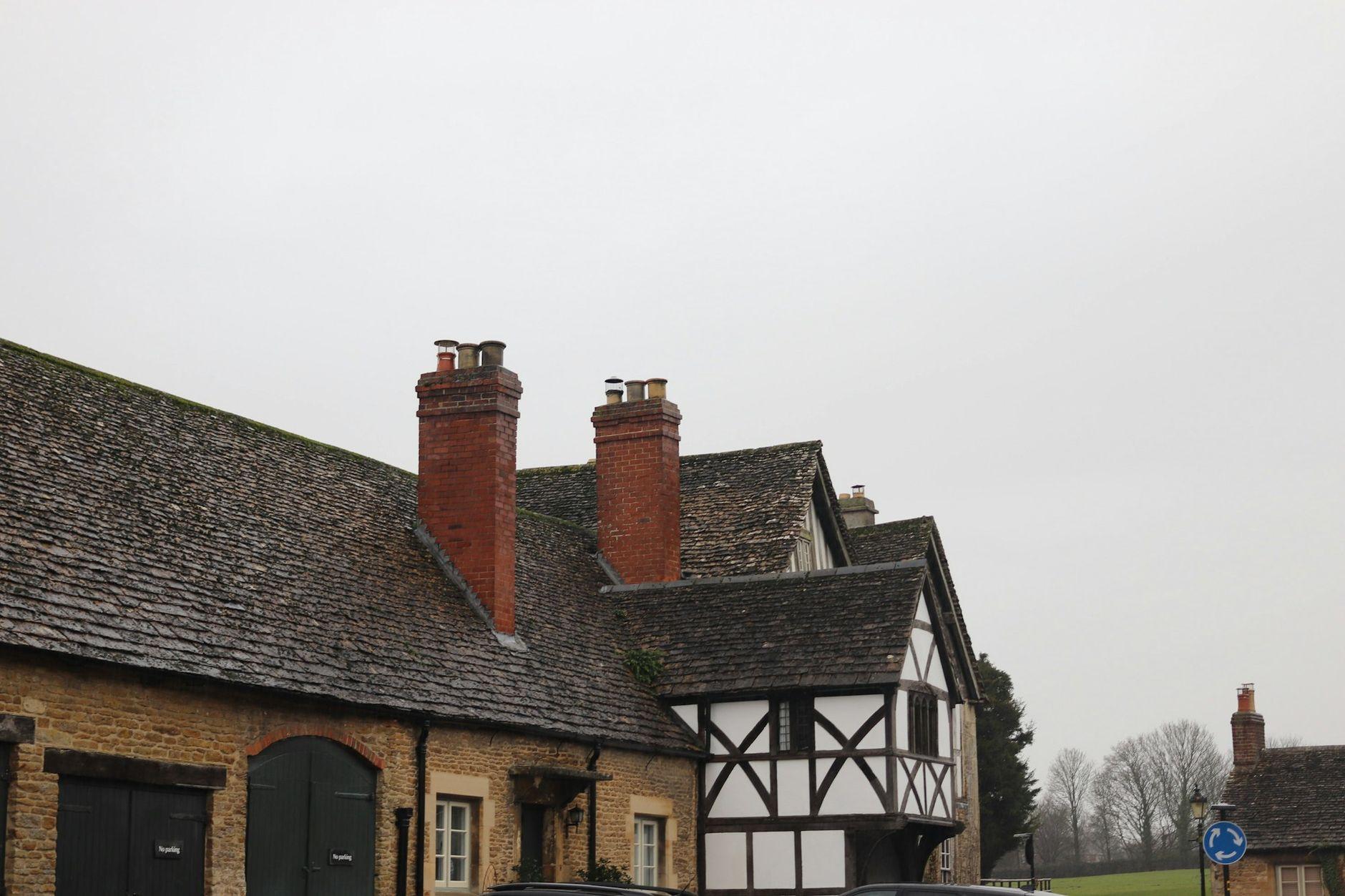
- Shared stacks. Two fireplaces venting through one chimney are still two flues and two lines. They share a roof check and often one cap.
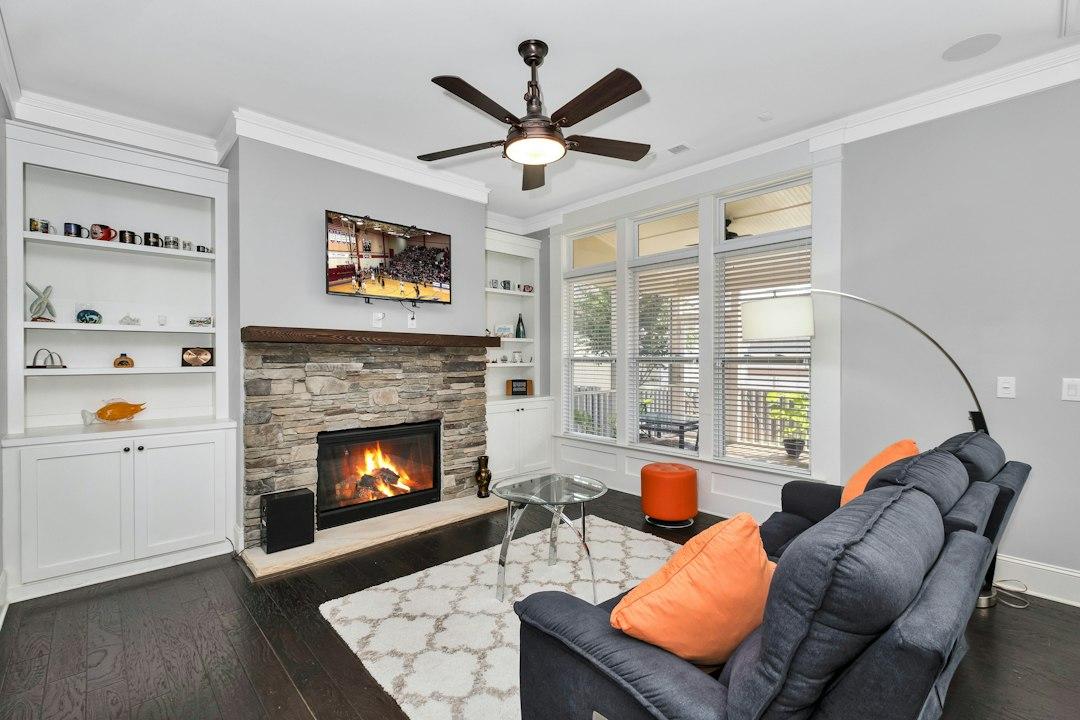
- Gas units. A sealed gas fireplace is a line like any other. Its visual pass looks at the glass, the burner area, the pilot and the vent end outside. A full cleaning is a different visit, covered in our post on gas fireplace cleaning across a building.
- Repairs. We fix nothing during an inspection round. Anything the report turns up gets its own written price, so the inspection invoice stays an inspection invoice.
A worked example
Picture an eight-unit condo building off Bouquet Canyon Road. Six units have wood fireplaces. Two had gas inserts fitted by earlier owners. Unit 3 has just gone into escrow.
- Seven fireplaces go on the list at the Level 1 price of $57 each.
- Unit 3 goes on at the Level 2 price of $410, because a sale is the moment a buyer needs the inside of the flue on record.
- If three of the wood flues are heavily sooted, those three lines switch to the sweep, from $440 each, and drop the separate $57.
The board sees all of that as a written estimate before the day is booked. Nothing on the list is decided at the door.
What the owner or board receives
One report for the building. The front sheet lists every unit with a one-word status: clear, watch, or repair. Behind it sits one page per fireplace, with photos, the level used, and findings sorted so anything involving fire or carbon monoxide sits at the top. The person who books chooses who else gets a copy, such as a manager, a treasurer or an insurer, and each name gets the identical file.
A record like that is worth keeping year to year. When the same fireplace shows the same hairline in the firebox three winters running, the board can see it has not grown. When it does grow, the board can see that too.
Getting a total before the visit
The next step is a written estimate built from your own list. Send the property address, the number of units, and the fireplace count by type (a rough note like "units 1 to 6 wood, 7 and 8 gas" is enough) through the estimate request form. We reply with a line-by-line total and a suggested order for the day, so tenants can be told which hours their unit is on.
If you are weighing whether a line should be Level 1 or Level 2, our post on choosing the level unit by unit goes through it. The property manager and HOA page covers how gas-heavy buildings are scheduled.
When your count is ready, take it to the contact page and we will plan the round around the units.
One Visit, Every Fireplace on the Property
Mercer works through each unit on the owner's list and writes up a page per fireplace, with repairs on one scope. Requests come in from Santa Clarita, Canoga Park, Culver City, Calabasas and the rest of the county.