
More flues than front doors
A buyer touring a duplex or fourplex in Santa Clarita usually counts bedrooms, parking spaces and rents. The fireplaces get a glance. Yet a two-unit building with a fireplace on each side, plus a third in the owner's unit upstairs, has three flues, and each one is a separate run of tile or pipe that nobody on the tour has seen. On a small income property, the chimneys are several systems, each with its own history, sold as one line in the listing. Mercer Chimney Group inspects them the same way we count them: one at a time.
What the general inspection leaves out
The buyer's general home inspector does valuable work, but chimneys are one item among hundreds. The usual result is a line in the report noting the fireplaces exist, perhaps a photo of a firebox, and a recommendation to have a chimney specialist look further. On a multi-unit purchase that one sentence covers every flue in the building at once. It does not say which unit's flue is the concern, or whether any of them are.
That gap matters more on an income property than on a house. The buyer is about to take on fireplaces that tenants will use without asking permission, and any defect becomes the new owner's problem the day the deed records.
Why the camera, and on which units
For a purchase, we recommend the Level 2 camera inspection at $410 per fireplace. A sale is one of the situations the NFPA 211 standard singles out for that deeper level, and the reasoning holds on a duplex just as it does on a house. The seller's tenants have been burning whatever they burn. The seller may never have looked. The buyer has no maintenance file to read. The camera replaces the guesswork with video of every joint from the firebox up.
If the budget is tight and the building has many fireplaces, there is a middle route. Film the units with wood fireplaces at $410 each, and give the sealed gas units the visual pass at $57 each, unless the look at a gas unit turns up something that needs a closer look. We set out that split in writing before the visit so the buyer and the buyer's agent can agree it.
What the buyer receives
The report is built for the purchase file:
- A front sheet listing each fireplace by unit number, with a status: sound, watch, or repair
- A page per fireplace, with video stills and the finding written in plain words
- A short note on whether each finding is a safety item or a wear item
- Our published price beside any finding that has one, and a separate written price for anything that does not
Whoever pays for the visit decides where the file goes. When that is the buyer, the listing side sees it only if the buyer says so. Agents on both sides can be named when the visit is booked so the same file reaches each of them.
Turning findings into a request
Findings on a small income property tend to cluster in the same few places. These are the ones we see most in the valley, and the published figures where we have them:
| Finding | What it usually leads to | Our figure |
|---|---|---|
| Water stain at the ceiling beside the stack | Leak traced and repaired | $585 to $3,500 |
| Wide stack collecting debris and water on its uphill face | Cricket added | $470 to $1,055 |
| Same, with tired metal at the roof line | Cricket plus replacement flashing | $705 to $1,750 |
| Cracked tile or open joints inside the flue | Relining or repair | Written price once measured |
| Crown cracked through around the flue | Crown repair or rebuild | Written price once measured |
| Missing or rusted top over a flue | New cap fitted | quoted after we measure |
With that table in hand, the buyer and their agent can decide whether to ask the seller for a repair, a credit, or a lower price, and they are arguing from video rather than from a line in a general report.
Things that are easy to miss on income property
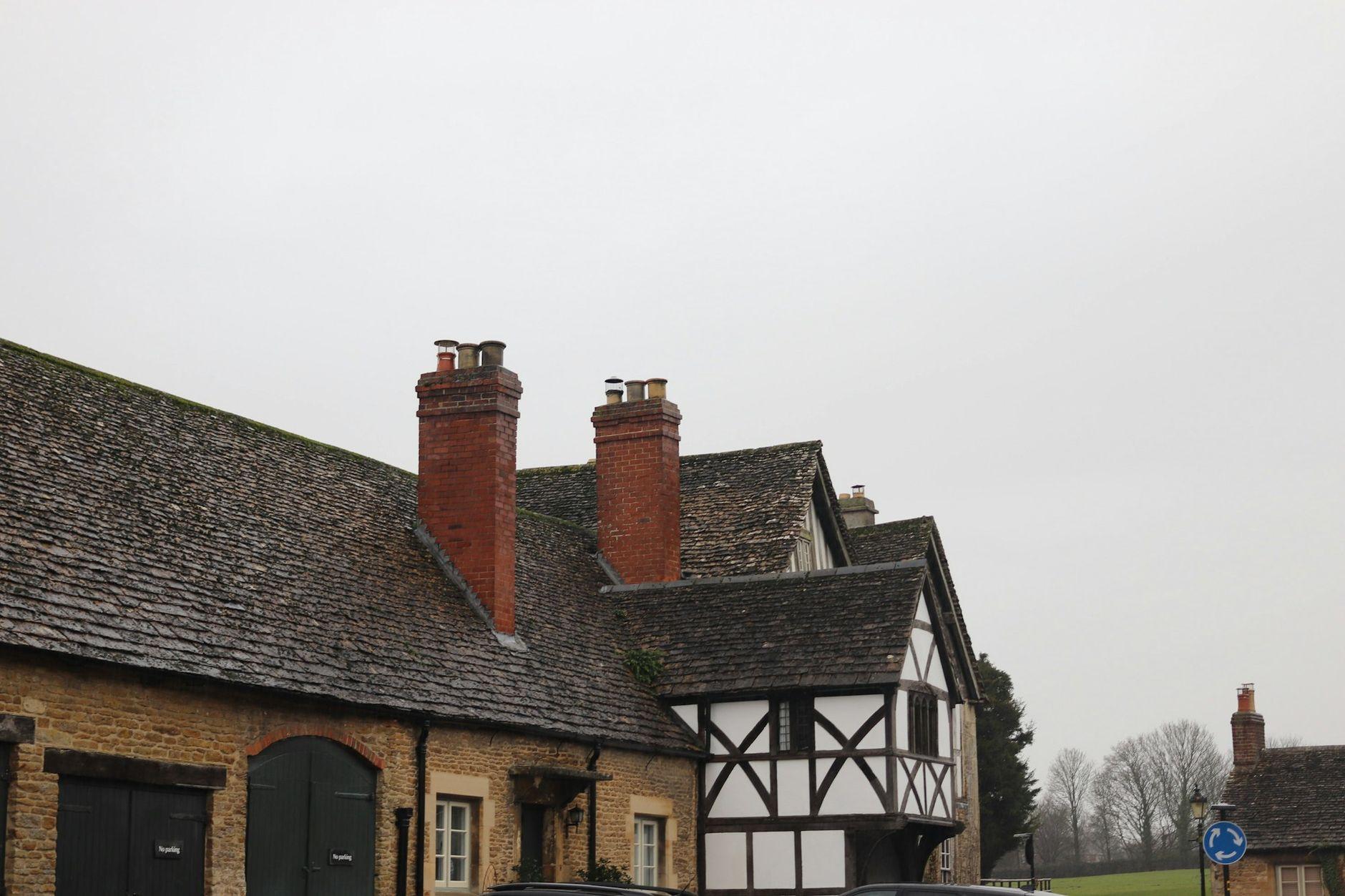
- Shared stacks. Two fireplaces in mirror-image units often share one chimney with two flues. A cracked crown on that chimney affects both units.
- Converted fireplaces. A wood fireplace with gas logs added by a past owner may be venting differently from how it was built.
- Quake repairs. Some valley chimneys were patched or rebuilt after the 1994 quake. The patch may be fine, or it may be a new crown sitting on loose brick. Only the camera and the roof check together can say.
- Locked units. Tenants have rights about entry. Allow time in the purchase timeline for the seller to give notice to each tenant.
Small income buildings also tend to collect odd mixes. A single duplex can have one side still burning wood, the other side converted to a gas log set years ago, and a third flue in the same stack that once served a wall heater nobody remembers. Each of those is a line in our report, including the abandoned flue, because an open, unused pipe through the roof is still a way for water and animals to get in.
What decides the next step
The next step depends on how many fireplaces there are and what fuel each one burns. Send the property address, the number of units, and the fireplace count by wood and gas through the purchase inspection form. Name the agents who should receive the report. We reply with a written estimate, unit by unit, and the access we need from the listing side.
Related pages
The home sale inspection page covers the purchase process in more detail, and the real estate agent page explains what we send to agents. For the camera service itself, see Level 2 chimney inspection.
Before the inspection period runs short, bring the unit list to the contact page and we will set the visit up flue by flue.
One Visit, Every Fireplace on the Property
Mercer works through each unit on the owner's list and writes up a page per fireplace, with repairs on one scope. Requests come in from Santa Clarita, Canoga Park, Culver City, Calabasas and the rest of the county.